When selecting kitchen window screens, homeowners and fenestration contractors face a practical question: "Which screen mesh material keeps insects out without collecting grease, while offering effortless cleaning? Why do coated and non-metal meshes become sticky in heavy kitchen grease?" As a dedicated window screen manufacturer, Ji'an Screen Mesh delivers an in-depth material comparison for cooking oil environments alongside standard cleaning instructions.
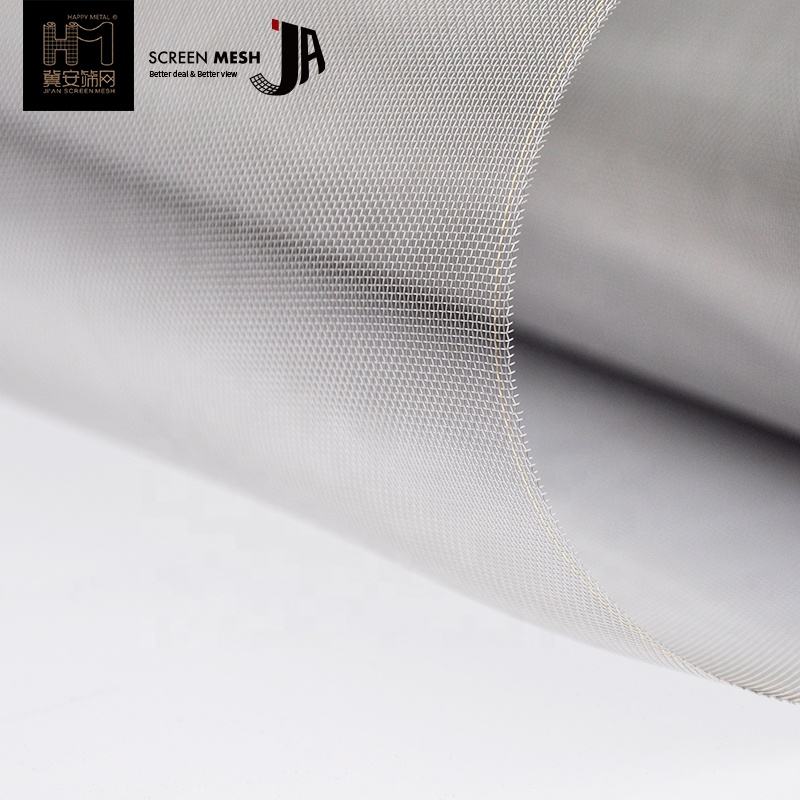
1. Primary Recommendation: Bare Grade 304/316L Stainless Steel Security Mesh
Cooking fumes contain atomized oil droplets that blend with airborne airborne dust, settling into wire intersections. Bare (uncoated) stainless steel mesh provides the ideal defense:
Surface Characteristics: Smooth metallic surface, non-absorbent to grease, and heat-resistant;
Wash Durability: Withstands frequent warm water immersion, neutral detergents, and soft brushing without degradation;
Geographic Adaptability: Specify bare Grade 304 for standard inland conditions; upgrade to Grade 316L for coastal, high-humidity, or saline environments.
2. Why Avoid Coated & Non-Metallic Meshes in Kitchens?
| Mesh Category | Material Structure | Grease Environment Performance | Maintenance & Degradation Risks |
|---|---|---|---|
| Powder-Coated Mesh | Wire coated with electrostatic powder resin | Surface texture and thickened crossovers trap grease and dust much faster. | Frequent degreasers or stiff brushes cause discoloration, chalking, and paint peeling. |
| Non-Metallic Mesh (Fiberglass, Polyester, PET) | Polymer fibers coated with PVC/resin finishes | Lightweight and economical, but highly limited in heat resistance and scrub durability. | Cooking heat causes coatings to become sticky, brittle, discolored, and structurally deformed. |
3. Standard Step-by-Step Kitchen Screen Cleaning Procedure
Warm Water Soaking: Detach the screen and soak in 30–40°C warm water for 5–10 minutes to soften hardened animal/plant fats.
Gentle Neutral Scrubbing: Apply mild dish soap and gently scrub along wire lines using a soft brush, sponge, or microfiber cloth, focusing on wire intersections.
Rinse & Air Dry: Rinse thoroughly with running water and allow it to dry completely in a ventilated shade before reinstallation.
Routine Care: For light dust, wipe gently with a damp cloth or vacuum regularly.
4. FAQ: Sourcing
Q: Is fiberglass mesh suitable for kitchen installations?
A: Not recommended. Cooking oil breaks down PVC coatings, leading to surface stickiness that cannot be scrubbed clean without tearing the fibers.
Q: Where to source grease-resistant bare stainless steel screens?
A: Rely on verified manufacturers like Ji'an Screen Mesh, supplying certified bare 304 and 316L stainless steel woven meshes tailored for grease resilience.